



Sustained improvement of the hospital management system: the 4 fundamental pillars

 , Justyna Fercho3, ,


Abstract
Hospitals are multifaceted organizations where primary clinical processes must be seamlessly integrated with complex ancillary, logistical, and administrative functions to ensure optimal patient outcomes. This framework outlines 4 fundamental pillars designed to establish a sustainable model for hospital management and continuous quality improvement (QI). The first pillar, Informatization, focuses on the holistic adoption of electronic documentation, big data analytics, and AI-assisted tools to facilitate evidence-based decision-making and the precise measurement of both clinical processes and product metrics. The second pillar, Accreditation, emphasizes the development of Standard Operating Procedures (SOPs) and safety benchmarks, highlighting that these standards are most effective when driven by internal motivation rather than external pressures. The third pillar, Task Salaries, introduces a shift from hourly pay to outcome-based compensation, rewarding clinicians for achieving quality targets such as minimized complications, reduced reoperations, and high patient satisfaction. The fourth pillar, Internal Market, establishes a transparent internal accounting system based on activity-based costing, ensuring accountability and efficient resource distribution across all clinical and support departments. Together, these pillars foster an organizational culture of transparency, cooperation, and accountability, enabling healthcare institutions to meet evolving patient demands while improving operational efficiency and the overall quality of care.
Citation
Stefaniak T, Fercho J, Szplit D, Kraszewski J. Sustained improvement of the hospital management system: the 4 fundamental pillars. Eur J Transl Clin Med.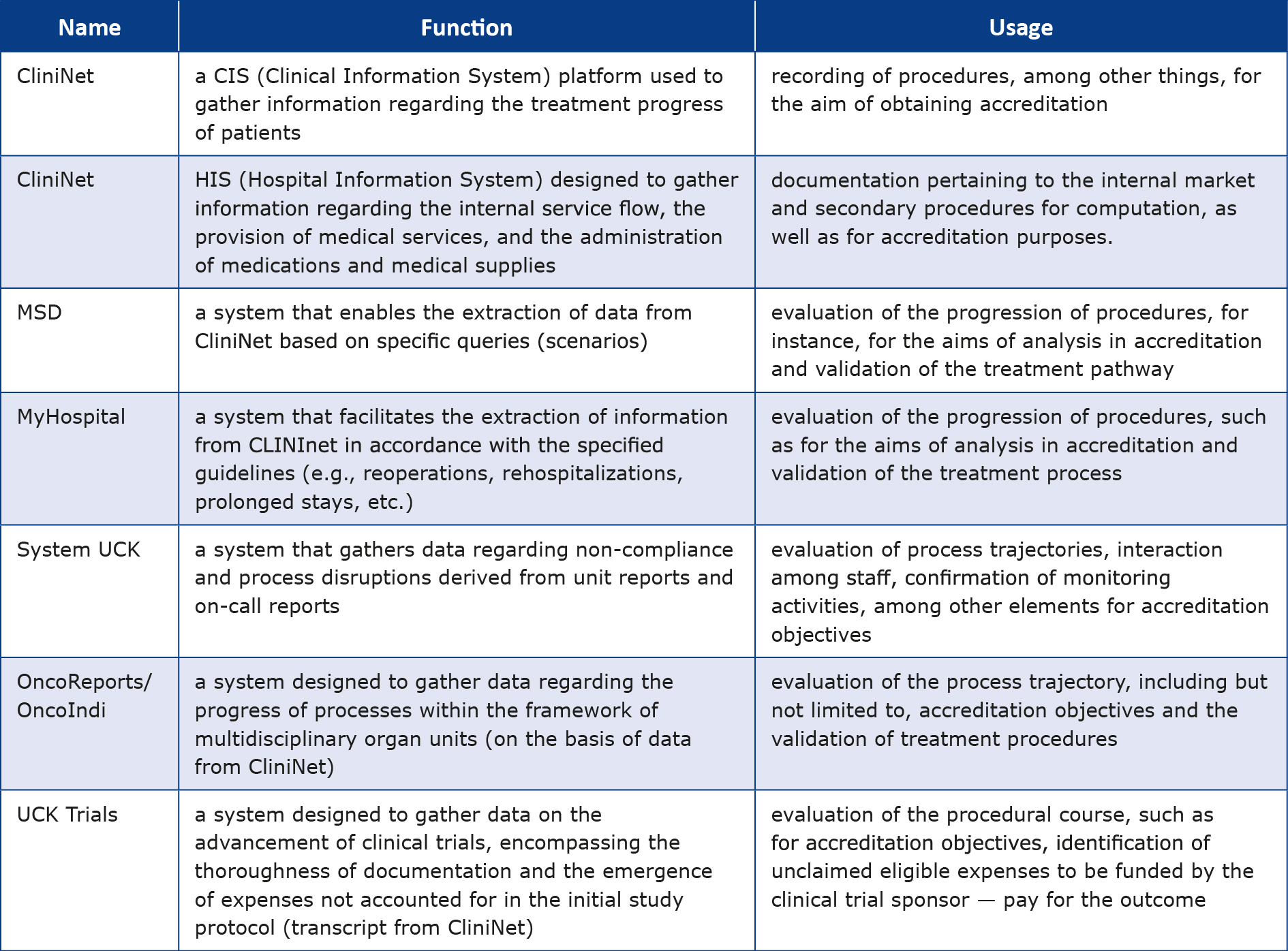



Introduction
A hospital constitutes a multifaceted organization wherein numerous processes occur concurrently. The principal axis of operation is what is commonly referred to as “the primary process”, which encompasses actions undertaken for the patients’ benefit, facilitating their transformation from a state of illness to health.
Complementary and exceedingly intricate processes (e.g. anaesthesia or nursing) bolster the primary process and its execution would not be feasible without these supporting elements. Similarly, all logistic, technical, information technology (IT), and administrative functions that provide essential resources for the seamless operation of the primary process hold significant importance. These activities are dispersed across various locations [1], interact amongst themselves, and strongly influence the primary process, enabling its execution in accordance with established protocols or necessitating alterations to those protocols [2]. Moreover, the intricate interplay between these processes is further enhanced by the integration of advanced technological solutions, which serve to streamline operations and improve patient outcome.
The methodology articulated within the framework of the four pillars of hospital management is anchored in the principles of process management [2]. The comprehensive, multidimensional functioning of the hospital is conceptualized as a principal process accompanied by an array of ancillary processes, which necessitates delineation and quantitative assessment [3].
In this review of methodologies, we endeavor to articulate a new strategic framework comprising 4 fundamental pillars that facilitate the establishment of an effective and sustainable hospital management model.
First pillar: Informatization
The implementation of a new hospital management model is not feasible without the foundational pillar, which is informatization, as it plays a crucial role in enhancing operational efficiency and ensuring quality patient care by integrating IT into hospital management systems. The fundamental nature of such transformation pertains to a holistic and thorough informatization process that considers a variety of ergonomic documentation practices (frequently organized in a stratified manner, e.g. checklists) that prioritize the speed of data entry and ease of retrieval, in addition to reporting instruments that facilitate the operational efficiency of healthcare personnel [4]. Moreover, this encompasses tools designed for the collection and presentation of essential clinical and managerial data tailored for medical management professionals, as well as mechanisms for the aggregation of information from various administrative units of the hospital.
The comprehensive adoption of electronic documentation (notwithstanding the initial challenges associated with the implementation of this tool) markedly reduces and streamlines administrative tasks while concurrently minimizing the reliance on paper-based medical histories or consent and declaration forms [5-6]. This transition not only enhances efficiency but also ensures better compliance with regulatory standards and improves the overall quality of patient care through accurate data management [7]. It is crucial that these tools are flexible, allowing for the collection of information about new measures that might not have been considered before, while also ensuring the delivery of clear and visually appealing representations. The transparent presentation of carefully curated data significantly enhances decision-making for managerial objectives, which is particularly crucial for healthcare leaders, who frequently need to find a balance between patient care and business requirements [8].
Furthermore, the integration of advanced data analytics tools within the informatization framework can significantly enhance decision-making capabilities across hospital management [9]. By leveraging big data, healthcare administrators can identify patterns and trends that inform resource allocation, patient flow, and treatment efficacy, thereby optimizing operational performance and enhancing patient care outcomes. For instance, predictive analytics can forecast patient admissions, allowing hospitals to proactively adjust staffing and resource availability, which is crucial in managing bed capacity and ensuring quality of care [10]. Moreover, the present use of artificial intelligence (AI) technology allows for a considerable reduction in the time required for quality improvement projects and allows for the examination of a much wider range of data [11-12]. This promotes faster execution of PDSA (Plan, Do, Study, Act) tasks and speeds up the application of changes. A well-executed, comprehensive, and systematic approach to informatization facilitates the assessment of clinical processes, encompassing both the thoroughness of activity descriptions (documentation completeness, process metrics) and the evaluation of outcomes (complications, survival duration, periods free from relapse, quality of life, product metrics). The accurate quantification and clarity of information within the IT system enable the development of meaningful visual representations and the generation of alerts in instances of deviations from the established parameters for process metrics.
Table 1. Software resources employed at the UCK hospital in Gdańsk (Poland) for the documentation of medical procedures, gathering input information associated with quality enhancement, and executing as well as assessing the success of quality improvement initiatives
Second pillar: Accreditation
Without the implementation of IT, the likelihood of achieving success in accreditation is considerably diminished. Accreditation is a strategic approach, always conducted voluntarily, involving regular and systematic certification according to established quality standards, which facilitates the evaluation of health services offered by a healthcare organization [1]. It is important to highlight that this is not a specific tool, but rather a framework of actions and a collection of suggested measures designed to enhance the professional quality activities of the hospital. Numerous studies emphasize the expenses and challenges associated with preparing for and upholding the requirements of accreditation [13-18]. In clinical operations, these rules apply especially to specific infrastructure, resources, or analytical areas. Following these rules creates the belief that the particular healthcare facility functions in a way that greatly improves the chances of ensuring patient safety. At the same time, it should be recognized that merely having an accreditation does not guarantee anything, and the standards for accreditation do not clearly define specific requirements [13].
The drive to meet accreditation requirements becomes important for an organization only when it is truly an internal motivation and is not swayed by external factors (e.g. increased funding or the implementation of rules tied to organizational changes or a joint-funded project) [14]. Key players in this effort include the leaders of the organization and those managing specific areas of the particular healthcare facility (e.g. wards and clinics). It is crucial to also involve the medical staff, at least as much as the nursing team, along with all other professional groups in the healthcare institution [15-16].
Meeting accreditation standards serves merely as a guideline for shaping organizational culture rather than being a goal in itself. Conversely, the hospital may engage in superficial actions that lack permanence and might even provoke significant pushback from the staff. In such situations, all the advantages linked to the intentional application of accreditation standards are forfeited. Whereas when applied correctly, these standards positively influence not only patient care but also various other aspects of the organization’s operations, including financial performance, the frequency of complaints or legal issues, social interactions within the workplace, and even a decrease in employee burnout levels [17-18].
Hospital accreditation requires creating standard procedures (SOPs) that outline methods related to specific clinical problems. These methods must be developed based on the unique situation of the particular healthcare facility, taking into account the details of its infrastructure, workforce, and local solutions. Naturally, the content of the SOPs should be aligned with best practices and adhere to both national and international standards. These methods help clearly define the relationships between the departments and teams, thus offering a strong basis for meaningful supervision and quality improvement efforts that are essential to the third pillar and the connections explained in the fourth pillar.
Third pillar: Task Salaries
The use of civil law contracts in various healthcare facilities has changed net pay for hours worked into gross pay [19]. This change has made it easier to carry out tasks that take long hours and allowed hiring staff from nearby healthcare centers. In addition, this change has created a bidding war among Polish hospital managers and led to higher hourly rates, particularly for specialists in the in-demand medical fields. In some cases, it has led to specialists providing services at several nearby hospitals, greatly exceeding standard work hours and safety. Additionally, the benefits gained by the hospital from hiring these overworked specialists are highly debatable, as tiredness may prevent the specialist from aligning with the hospital’s goals, making it unlikely to depend on their participation in quality or organizational efforts. In the end, the hospital loses the opportunity to negotiate or set expectations for the specialists, who can easily quit if they are not happy with the cooperation.
The above-mentioned association, does not create any motivation to do more than work at the particular hospital, as long as the nearby hospital does not pay more per hour. The third pillar we highlight is the pay based on completing a job that has been outlined with a specific contractor or a group of contractors [20-21]. In this particular situation, it involves a job related to quality standards, such as minimal complications, reoperations, or unforeseen readmissions, high levels of patient satisfaction, and lowering treatment expenses. This approach encourages healthcare professionals to prioritize quality outcomes over quantity of services rendered, fostering a culture of accountability and continuous improvement in patient care [21].
Salary tied to the job, and particularly the rewards based on results, encourages the search for ways to improve processes, better accuracy in qualifications, early spotting of potential problems, finding solutions based on best global practices, and following set protocols (see second pillar), which protect against possible mistakes and related liabilities [21]. As a result, the hospital management gains from working with clinician partners to promote quality management within the hospital, a process driven not just by managerial goals, but also by real benefits for individual clinicians. The hospital board’s role is to create pay structures that prevent clinicians from favoring nearby competing hospitals, allowing the institution to build its unique competitive edge 22].
A necessary condition for successfully applying this solution is the precise measurement of the contracted tasks, preferably within the hospital’s IT system (see the first pillar).
Fourth pillar: Internal Market
The fourth pillar adds to the procedural framework set by the third pillar mentioned earlier. It includes a clear and detailed accounting system that carefully monitors and records all activities performed for patients by different departments in the hospital. This covers important services like medical consultations, along with specialized treatments done by subcontractors, which may involve anesthesiology, surgical units, and invasive radiology services. Additionally, it also considers the roles of support departments that are vital to the hospital’s overall functions, e.g. IT, Human Resources, and Accounting. This organized method guarantees that all financial matters are precisely recorded, aiding in better resource distribution, boosting operational effectiveness, and ultimately enhancing patient care results [23-25]. It is essential to strive for the minimal management overhead for the hospital, which is achieved by strategically allocating fixed costs throughout all stages of the diagnostic and treatment processes. All financial transactions must be entirely transparent and available for examination by process representatives who receive the service. Services outsourced within processes should aim for zero profit, necessitating at least biannual assessment of their pricing. This internal market system encourages transparency and accountability, nurturing a culture of cooperation among departments in the core process. This internal market model is consistent with the principles of activity-based costing, which underscores the importance of precise cost allocation and performance assessment in the healthcare environment [25]. By implementing such systems, hospitals can better manage resources and improve patient care outcomes.
Through the prioritization of the integration of non-clinical services, advancements in technology, and the optimization of processes, healthcare institutions can significantly enhance their overall operational performance and the quality of patient care. This strategic framework underscores the critical importance of aligning non-clinical services with the overarching objectives of hospitals to bolster operational efficiency and improve patient outcomes [26]. By cultivating a process-oriented approach, implementing quality measures for both clinical and non-clinical domains, and fostering a motivational ethos within the organizational model directed towards personnel and amongst staff, healthcare organizations can adeptly respond to the dynamic demands of patient care and establish a sustainable culture of continuous quality improvement [27].
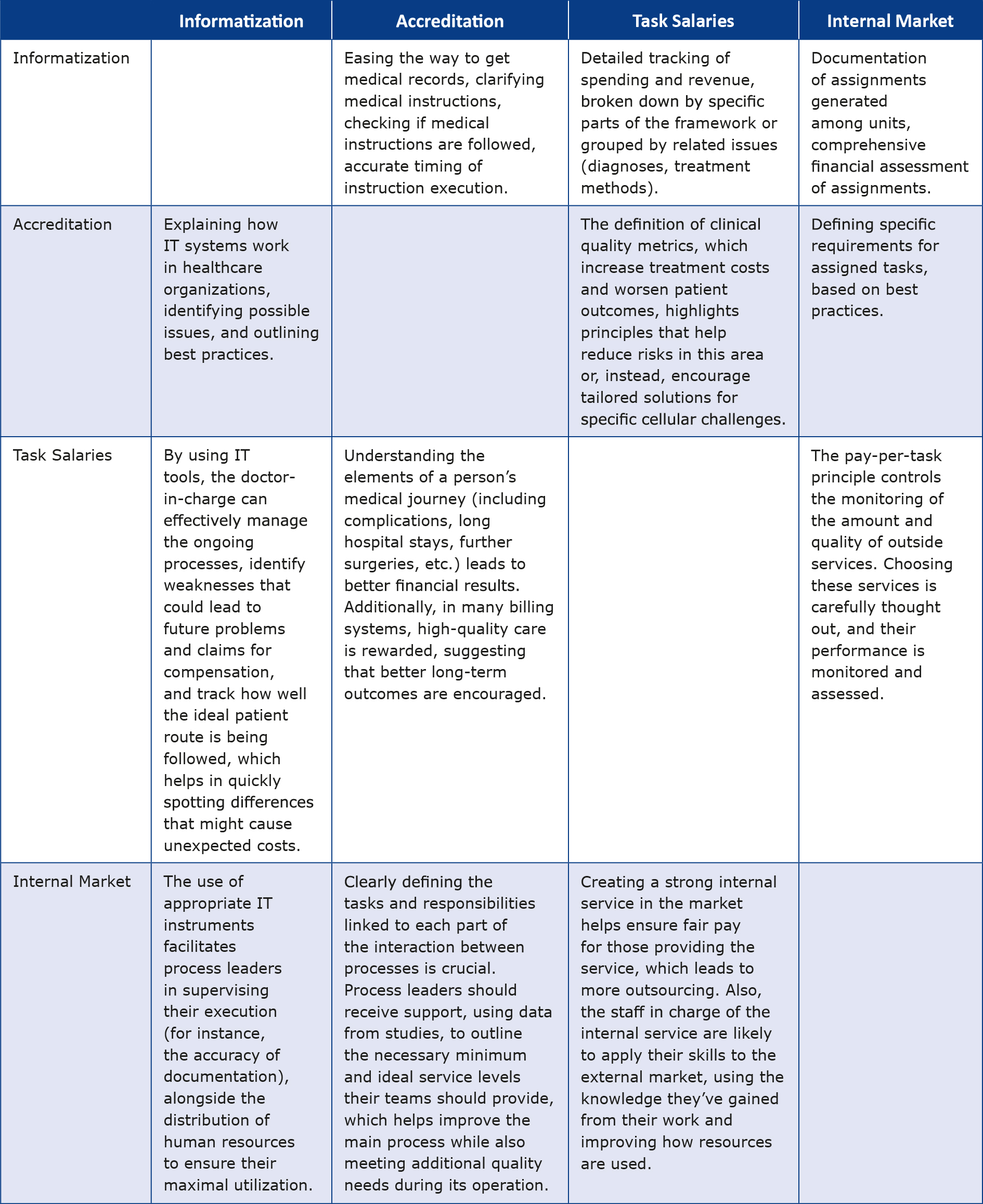
Table 2. Interrelations between the 4 pillars
The table elucidates the manner in which the column delineated in the specific rows influences the pillars represented in the columns.
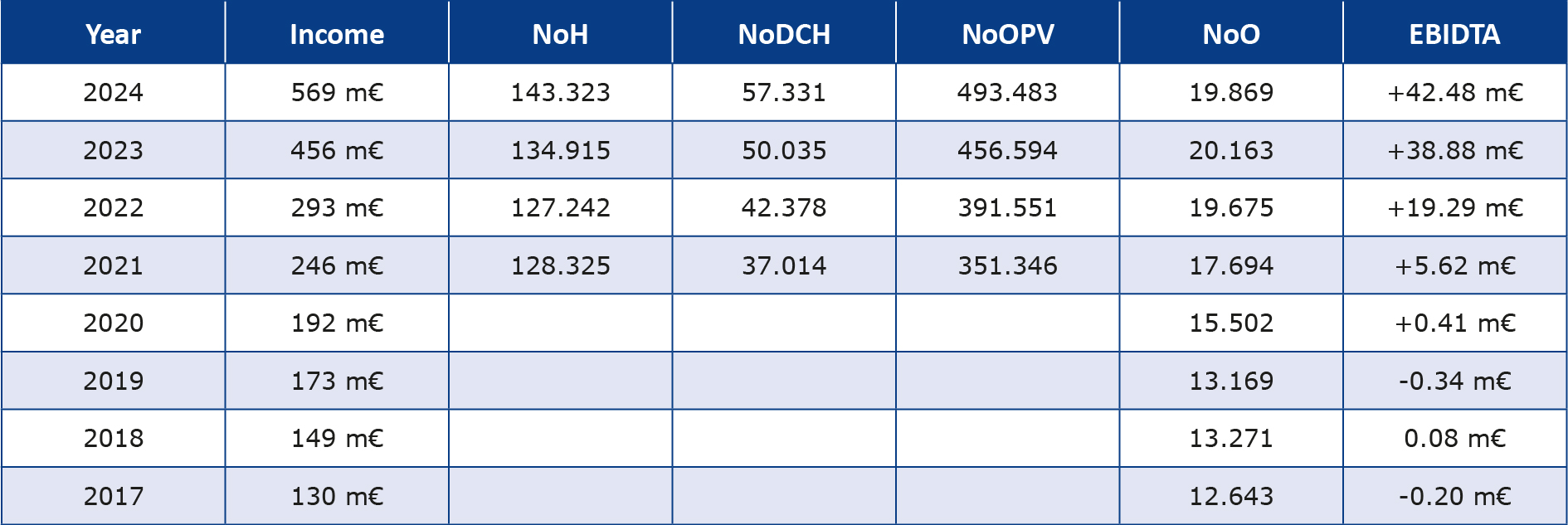
Table 3. Modifications in the operations of the UCK hospital over recent years – the effects of adopting the 4 pillars paradigm
EBIDTA – earnings before interest, depreciation, tax and amortisation; m€ – milion Euro; NoDCH – number of day-case hospitalizations; NoH – number of hospitalizations; NoO – number of operations; NoOPV – number of out-patient visits
Conclusion
The 4 pillars framework helps us create a detailed plan for improving healthcare organizations, regardless of their size or specific characteristics. It highlights the need for a systematic approach to hospital management, clear relationships, and rewards for ongoing improvement. Developing hospital staff and encouraging new ideas in both care and management methods are essential. This system allows for combining individual reports (incidents), sharing best practices, and proactively addressing issues that have arisen in certain situations, thus protecting the hospital from facing the same problems. The successful implementation of these four pillars is crucial for fostering a culture of continuous improvement and ensuring that hospitals can effectively meet the evolving demands of patient care.
References
| 1. |
Stefaniak T. Joint Commission International accreditation standards for hospitals: including standards for Academic Medical Center Hospitals. Joint Commission Resources; 2025.
|
| 2. |
Bhati D, Deogade MS, Kanyal D. Improving Patient Outcomes Through Effective Hospital Administration: A Comprehensive Review. Cureus [Internet]. 2023;15(10):e47731. Available from: https://doi.org/10.7759/cureus.47731.
|
| 3. |
Sudherson M, Atheena MPS, Rashika M, Aparna N, Kriya SM. Improving hospital management: Global insights for better patient care. I-manager’s J Life Sci [Internet]. 2023;2(3):42. Available from: https://www.imanagerpublications.com/article/20543.
|
| 4. |
Shahu S, Ghewade B, Kanyal D. Pillars of excellence, in healthcare and hospital management: A narrative review on the importance of non-clinical services. Multidiscip Rev [Internet]. 2024;8(3):2025093. Available from: https://malque.pub/ojs/index.php/mr/article/view/5291.
|
| 5. |
Hoffmann L. Implementing electronic medical records. Commun ACM [Internet]. 2009;52(11):18–20. Available from: https://dl.acm.org/doi/10.1145/1592761.1592770.
|
| 6. |
Pereira KA. Toward Enhanced Healthcare Efficiency: The Impact of Digitizing Medical Records. Rev Sist [Internet]. 2024;14(3):709–14. Available from: https://sevenpublicacoes.com.br/RCS/article/view/5118.
|
| 7. |
Iqbal M, Morgan R, Bauer C, Cazaban CG, Siddiqi S. Health systems responsiveness in low and middle-income countries (L&MICs): revisiting its scope. BMJ Open Qual [Internet]. 2025;14(3):e003441. Available from: https://qir.bmj.com/lookup/doi/10.1136/bmjoq-2025-003441.
|
| 8. |
Ara A, Malkawi AR. Enhancing Healthcare Through Data Visualization: Improving Patient Care, Disease Trend Recognition, and Process Optimization. In: Data Visualization Tools for Business Applications [Internet]. IGI Global Scientific Publishing; 2024. p. 249–86. Available from: https://services.igi-global.com/resolvedoi/resolve.aspx?doi=10.4018/979-8-3693-6537-3.ch012.
|
| 9. |
Arowoogun JO, Babawarun O, Chidi R, Adeniyi AO, Okolo CA. A comprehensive review of data analytics in healthcare management: Leveraging big data for decision-making. World J Adv Res Rev [Internet]. 2024;21(2):1810–21. Available from: https://wjarr.com/node/4587.
|
| 10. |
Chinwe UN. The influence of electronic medical records and pharmaceutical inventory management on healthcare advancements. World J Adv Res Rev [Internet]. 2025;27(2):303–6. Available from: https://wjarr.com/node/10191.
|
| 11. |
Pradeep A. Applications of Artificial Intelligence and Machine Learning in Contemporary Quality Engineering. In: 2023 7th International Conference On Computing, Communication, Control And Automation (ICCUBEA) [Internet]. IEEE; 2023. p. 1–6. Available from: https://ieeexplore.ieee.org/document/10391976/.
|
| 12. |
Ramirez JP, Jenkins K. Artificial intelligence for quality improvement. In: Intelligence-Based Cardiology and Cardiac Surgery [Internet]. Elsevier; 2024. p. 321–5. Available from: https://linkinghub.elsevier.com/retrieve/pii/B9780323905343000287.
|
| 13. |
Araujo C. Is it Worth to Invest in Hospital Accreditation? Community Med Public Heal Care [Internet]. 2022;9(2):1–2. Available from: https://www.heraldopenaccess.us/openaccess/is-it-worth-to-invest-in-hospital-accreditation.
|
| 14. |
Shaw CD, Kutryba B, Braithwaite J, Bedlicki M, Warunek A. Sustainable healthcare accreditation: messages from Europe in 2009. Int J Qual Heal Care [Internet]. 2010;22(5):341–50. Available from: https://academic.oup.com/intqhc/article-lookup/doi/10.1093/intqhc/mzq043.
|
| 15. |
Zoutman DE, Ford BD. Quality improvement in hospitals: barriers and facilitators. Int J Health Care Qual Assur [Internet]. 2017;30(1):16–24. Available from: http://www.emerald.com/ijhcqa/article/30/1/16-24/114966.
|
| 16. |
Alali FMA, Alammari NAA, Alessa ZH, Aldhaif NA, Alnahwi MH, Alfraij FAS, et al. Medical Staff as Catalysts for Change: A Systematic Review on Improving Clinical Environments for Better Care. J Ecohumanism [Internet]. 2024;3(8). Available from: https://ecohumanism.co.uk/joe/ecohumanism/article/view/5681.
|
| 17. |
Alshammari ATA, Alghmgham MA, Hamadah ZAM, Alanezi KTH, Alanazi ANS, Aldafeeri AKA, et al. The Benefits of Accreditation for Healthcare Quality. Int J Pharm Bio-Medical Sci [Internet]. 2022;02(12):627–38. Available from: http://ijpbms.com/index.php/ijpbms/article/view/196.
|
| 18. |
Chojnacka M. The Maturity Level of Quality Management and Medical Service Improvement by Wielkopolska District Hospitals. Ann Univ Mariae Curie-Skłodowska, Sect H – Oeconomia [Internet]. 2023 May 22;57(1):87–101. Available from: https://journals.umcs.pl/h/article/view/14604.
|
| 19. |
Lebedev VA, Lebedeva EI. Improving the efficiency of the organization of labor relations in medical institutions: a note to the accountant. Buhuchet v sel’skom hozjajstve (Accounting Agric [Internet]. 2022;(5):66–75. Available from: https://panor.ru/articles/povyshenie-effektivnosti-organizatsii-trudovykh-otnosheniy-v-meditsinskikh-uchrezhdeniyakh-na-zametku-bukhgalteru/82956.html.
|
| 20. |
Chidavaenzi GT, Grobbelaar SS, Salie F. A Scoping Review Investigating the Use of Outcome-based Models to Improve Healthcare Outcomes and Reduce Healthcare Spending. In: 2022 IEEE International Conference on Industrial Engineering and Engineering Management (IEEM) [Internet]. IEEE; 2022. p. 1219–23. Available from: https://ieeexplore.ieee.org/document/9989779/.
|
| 21. |
Martínez MAS, Guerrero BG, Zermeño M del CL, López PRN, Becker DP, Vázquez JR, et al. Analysis of 3 Financial Models in the Health System: Pay-for-Performance, Results-Based-Budgeting, Capitation. Asian J Med Heal [Internet]. 2024;22(12):172–84. Available from: https://journalajmah.com/index.php/AJMAH/article/view/1147.
|
| 22. |
Reynolds J, Roble D. Improving clinical quality and sharing the profits with your physicians. Physician Exec [Internet]. 2004;30(3):12–9. Available from: https://www.researchgate.net/profile/James-Reynolds-23/publication/8526786_Improving_clinical_quality_and_sharing_the_profits_with_your_physicians/links/00b4952127abead356000000/Improving-clinical-quality-and-sharing-the-profits-with-your-physicians.pdf.
|
| 23. |
Oswald J, Burghardt D. Kosten- und Erlösverteilung – Anwendung am Beispiel der Bereichsrechnung der Paracelsus-Kliniken Deutschland BT - Kosten- versus Erlösverteilung im DRG-System: Analyse – Verfahren – Praxisbeispiele. In: Zapp W, Terbeck J, editors. Wiesbaden: Springer Fachmedien Wiesbaden; 2014. p. 105–24. Available from: https://doi.org/10.1007/978-3-658-06131-9_5.
|
| 24. |
Dragija M, Lutilsky ID. ABC Method in Healthcare Institutions Based on Business Processes BT - Country Experiences in Economic Development, Management and Entrepreneurship. In: Bilgin MH, Danis H, Demir E, Can U, editors. Cham: Springer International Publishing; 2017. p. 539–51.
|
| 25. |
Piersiala L. Cost Accounting for Management of Health Services in a Hospital. Acta Univ Lodz Folia Oeconomica [Internet]. 2017 Sep 22;3(329). Available from: https://czasopisma.uni.lodz.pl/foe/article/view/1007.
|
| 26. |
McCrimmon CM, Fensterwald MR, Czypinski LK, Nuwer MR, Abelon SE, Reider-Demer M. Enhancing patient flow through standardised discharge pathways for neurology and medicine services. BMJ Open Qual [Internet]. 2025;14(3):e003303. Available from: https://qir.bmj.com/lookup/doi/10.1136/bmjoq-2024-003303.
|
| 27. |
Omaghomi TT, Elufioye OA, Ogugua JO, Daraojimba AI, Akomolafe O. Innovations in hospital management: a review. Int Med Sci Res J [Internet]. 2024;4(2):224–34. Available from: https://fepbl.com/index.php/imsrj/article/view/820.
|